
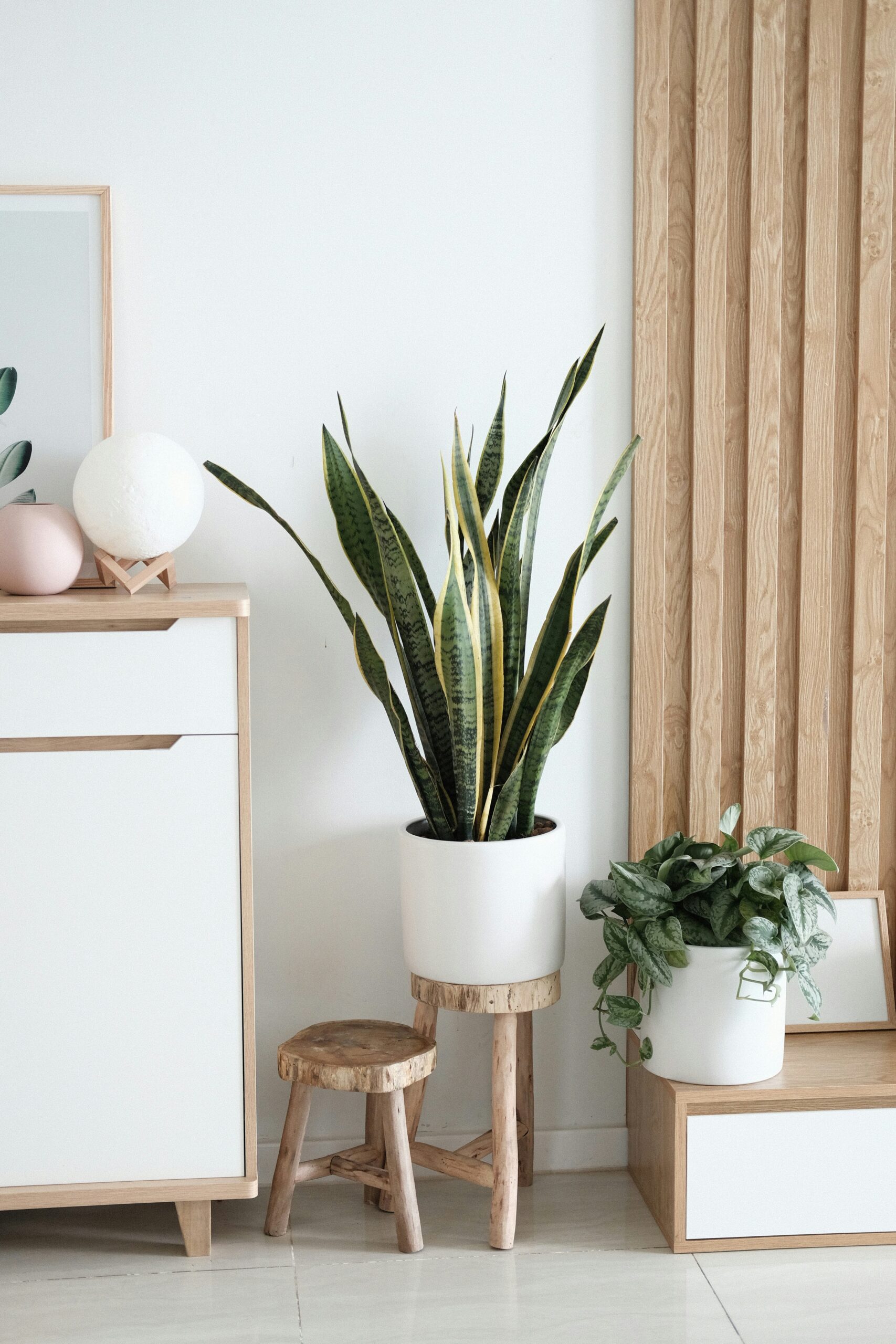
If you are looking for a houseplant that is nearly indestructible, visually striking, and exceptionally forgiving, look no further than the snake plant. Scientifically recognized as Sansevieria (though recently reclassified under the genus Dracaena), this architectural beauty has earned a permanent spot in homes, offices, and modern interior designs worldwide. Whether you live in a sun-drenched apartment or a low-light studio, the snake plant thrives where other houseplants falter.
In this comprehensive, in-depth guide, we will walk through everything you need to know to successfully select, grow, propagate, and care for your snake plant, ensuring it stays vibrant, healthy, and full of life for years to come.
1. Introduction: Why the Snake Plant is the Ultimate Houseplant
For beginner gardeners, entering the world of indoor plants can feel intimidating. Between managing strict watering schedules, tracking precise humidity levels, and worrying about exact sunlight angles, it is easy to feel overwhelmed. The snake plant eliminates these worries entirely.
Native to the dry, arid regions of tropical West Africa, these hardy plants adapted over centuries to survive harsh droughts, poor nutrient soils, and intense heat waves. They store precious water reserves in their thick, succulent-like leaves, allowing them to go weeks without a single drop of moisture. Beyond their physical resilience, snake plants are renowned natural air purifiers. According to clean-air research, they actively filter out common indoor toxins like formaldehyde, benzene, and trichloroethylene from household air, all while releasing fresh oxygen during nighttime hours—making them fantastic living companions for bedrooms and home offices alike.
The journey into indoor gardening often starts with good intentions followed by accidental neglect. Many popular houseplants require constant attention, precise misting, and daily soil checks. When life gets busy, these delicate plants quickly wither, leaving beginners discouraged. The snake plant changes this narrative. Its evolutionary adaptations mean that a busy week, an accidental missed watering, or a less-than-ideal sunny spot will not spell disaster. It is a plant that rewards patience and punishes over-attention rather than neglect.
Furthermore, the aesthetic versatility of the snake plant makes it a favorite among interior designers. With clean, vertical lines and striking variegation patterns, it acts as a living sculpture. It fits effortlessly into minimalist modern spaces, bohemian living rooms, and corporate office complexes alike, bringing a touch of nature indoors without demanding a green thumb in return.
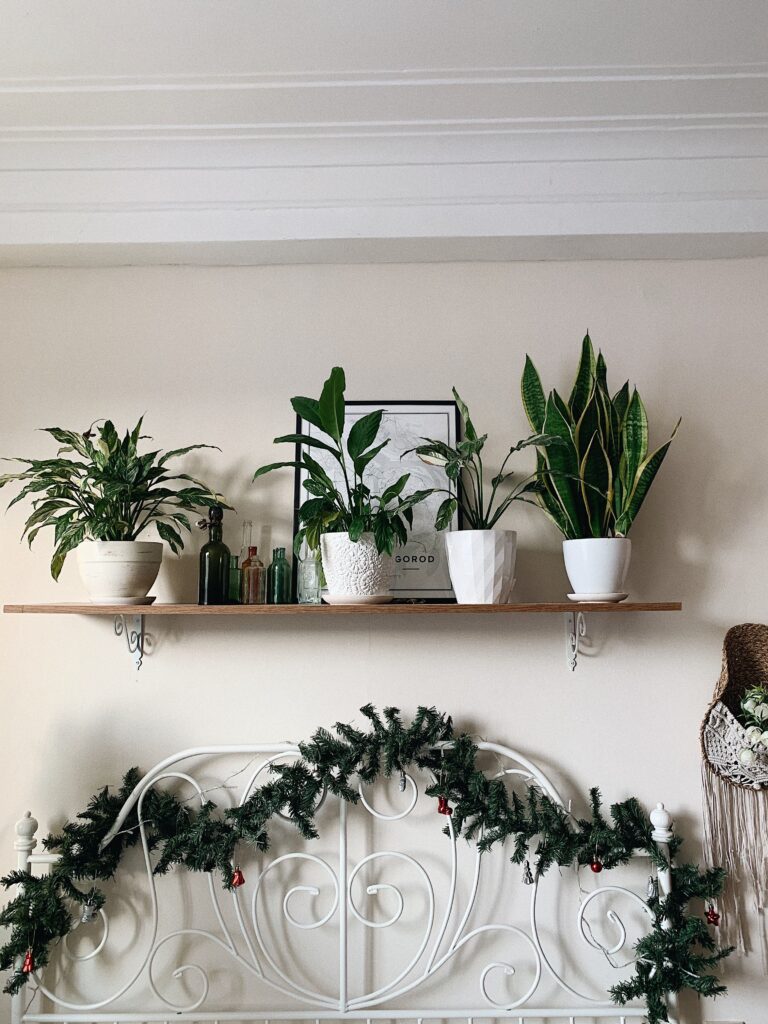
2. Understanding Popular Snake Plant Varieties
Before bringing your new green companion home, it helps to understand that “snake plant” serves as an umbrella term encompassing dozens of unique species and cultivated varieties. They range drastically from compact dwarf options that fit neatly on tight windowsills to towering structural giants that command attention in spacious living room corners.
Sansevieria trifasciata ‘Laurentii’
This is the classic, iconic variety that most people picture when they hear the name. It features rigid, upright, sword-shaped green leaves beautifully edged with striking, vibrant yellow borders. Maturing anywhere from two to four feet tall, it functions as a stunning standalone statement piece. The contrasting green and yellow tones add warmth and brightness to dark corners, making it an exceptional choice for filling empty floor space next to a media console or reading chair.
Sansevieria trifasciata ‘Hahnii’ (Bird’s Nest Snake Plant)
If your available floor space is limited, the Bird’s Nest variety is a brilliant miniature option. It grows in a tight, architectural rosette pattern closely resembling a bird’s nest, rarely exceeding six to eight inches in height. It looks exceptionally charming when styled on office desks, bookshelves, and kitchen counters. Because of its petite stature, it requires minimal clearance and adds a subtle organic touch to cramped workstations.
Sansevieria cylindrica (Spear Sansevieria)
Diverging from traditional flat, broad foliage, this unique cultivar produces smooth, cylindrical, spear-like leaves that shoot straight upward. Many creative growers gently braid these cylindrical stalks together while young to achieve a modern, artistic sculpture look. This variety appeals particularly to those who love contemporary, avant-garde design aesthetics.
Sansevieria trifasciata ‘Black Gold’
Similar to the Laurentii, the ‘Black Gold’ variety features broad, deep green leaves with prominent golden-yellow margins. However, the green centers are much darker—almost appearing forest green or near-black—creating a dramatic, high-contrast look that stands out brilliantly against white walls.
Sansevieria trifasciata ‘Moonshine’
For a softer, ethereal aesthetic, the ‘Moonshine’ variety offers broad, lance-shaped leaves with a stunning silvery-green, metallic sheen. It looks breathtaking when grouped alongside darker green plants, adding a unique textural contrast to indoor plant shelves.
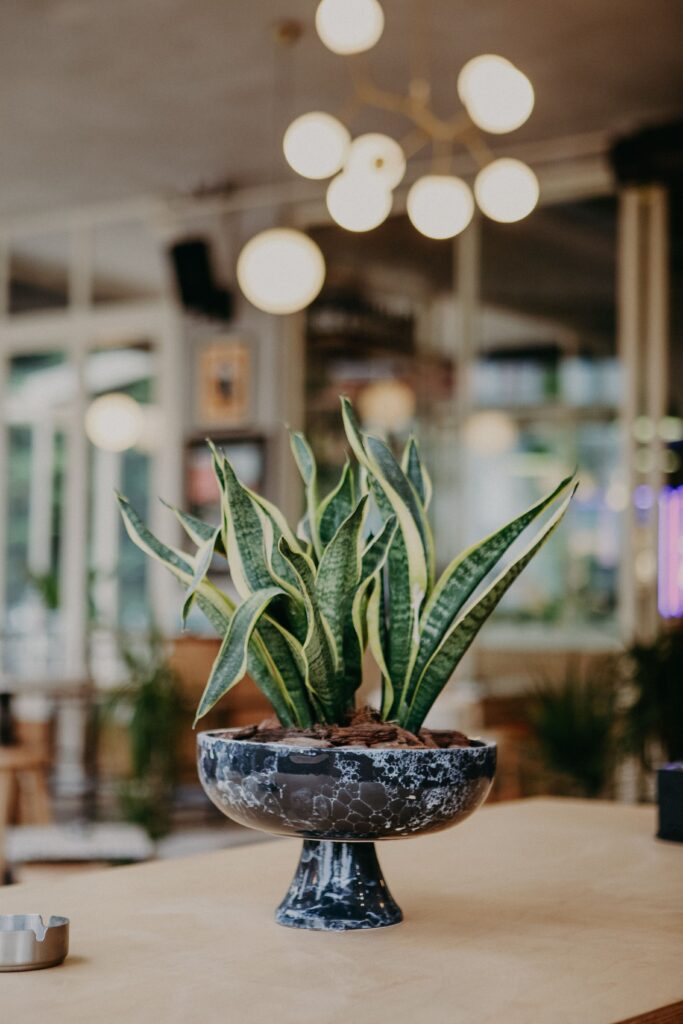
Snake Plant Laurentii
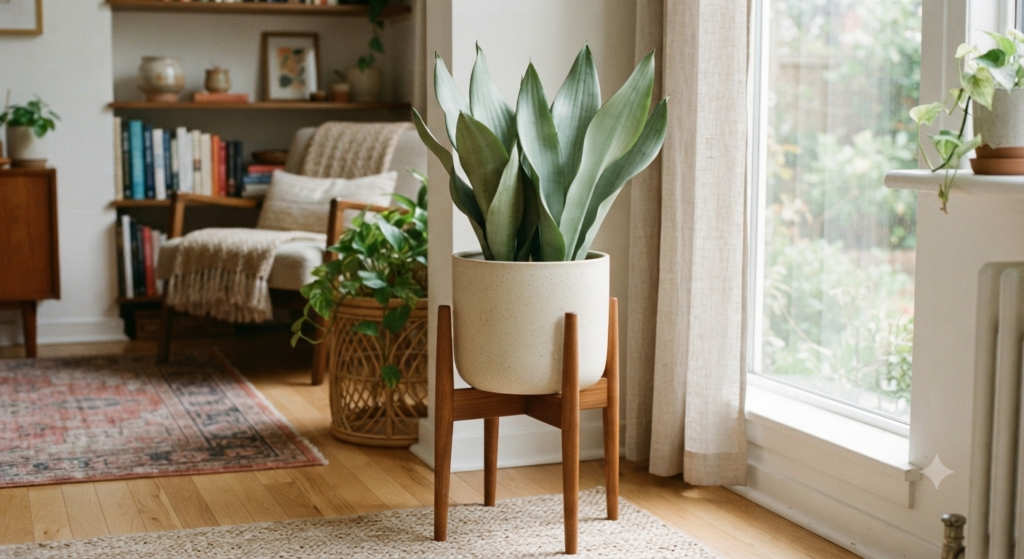
Snake Plant Moonshine
3. Light Requirements: Where to Place Your Plant
One of the most widespread misconceptions regarding snake plants is the belief that they can survive and flourish in absolute darkness. While they tolerate dim, low-light environments significantly better than standard tropical houseplants, they do not truly thrive inside dark closets or windowless rooms. Understanding how light impacts their metabolism helps keep them growing at a healthy pace.
Evaluating Your Indoor Lighting Options
- Bright, Indirect Light: This represents the gold standard for optimal growth. Positioning your plant a few feet away from a bright east- or west-facing window creates ideal conditions, allowing the foliage to maintain rich color and sharp leaf variegation.
- Low-Light Adaptability: If your home office or apartment relies strictly on north-facing windows or limited natural illumination, a snake plant will adapt gracefully. Keep in mind, however, that slower light levels will naturally reduce its overall growth speed and can sometimes cause variegated edges to mute into a solid dark green.
- Direct Sunlight Precautions: Avoid setting your container right against a blazing south-facing window where it will encounter hours of scorching midday sunlight. Harsh, direct midday sunlight can easily scorch or bleach the foliage, creating unsightly brown blemishes and causing irreversible damage to plant cells.
When setting up your indoor garden, take time to observe how light moves through your rooms across different times of the day. A spot that feels bright in the morning might turn into a blistering solar oven by afternoon. Finding that sweet spot of filtered or indirect brightness ensures your snake plant maintains structural integrity without risk of leaf scorch.
4. Soil and Potting Mix: Getting the Foundation Right
Because snake plants store abundant moisture inside their root systems and foliage, they are highly sensitive to soggy conditions. Utilizing heavy, dense garden soil is a guaranteed recipe for root decay. They require an exceptionally fast-draining medium that mimics their natural, rocky habitat.
A high-quality commercial cactus and succulent potting mix provides an ideal foundation straight out of the bag. Instead of store-bought options, you can mix your own custom soil by blending traditional organic potting compost with plenty of coarse sand, horticultural perlite, or pumice stones to guarantee optimal aeration. When water is poured over a proper succulent mix, it should rush straight through the drainage holes within seconds rather than pooling on top
Selecting the Right Container
Unglazed terracotta or porous ceramic planters are strongly recommended because their porous material allows excess moisture to evaporate safely through the container walls. Avoid potting your snake plant inside a decorative container or outer cachepot that does not feature an active drainage hole at the bottom. Trapped water at the bottom of a sealed container creates a stagnant pool that suffocates roots and invites fungal pathogens.
5. Watering Rules: The Art of “Soak and Dry”
More indoor snake plants are lost to accidental overwatering than any other cultural mistake. Understanding how they retain fluid in their fleshy green leaves completely alters how you should structure your watering routine.
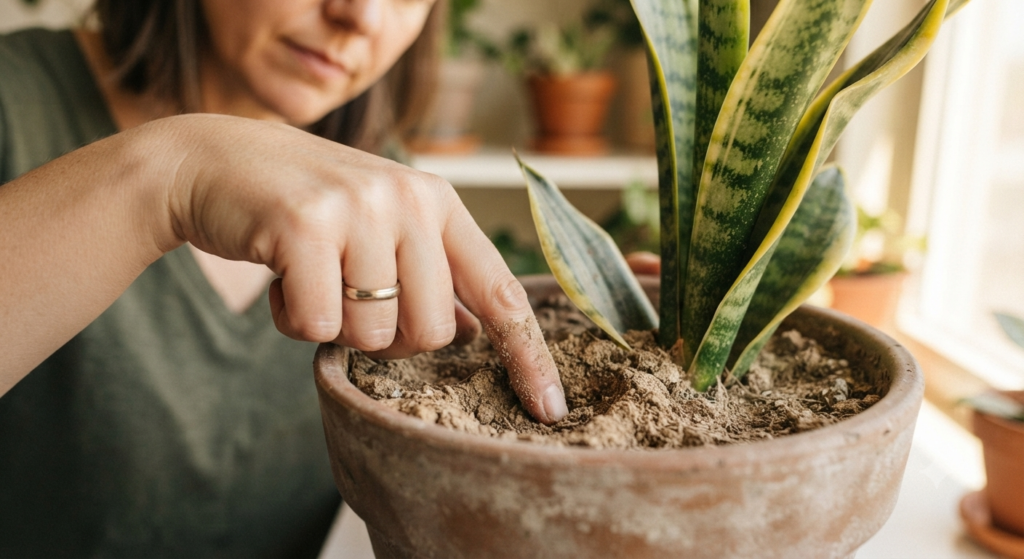
Always allow the potting soil to dry out completely from top to bottom between watering sessions. Before grabbing your watering can, insert your finger roughly two inches deep into the substrate; if the earth feels even slightly cool, humid, or damp, postpone watering for another week. When it is finally time to water, drench the soil thoroughly until water flows out of the bottom drainage hole, then empty any standing water from the saucer below.
Seasonal Watering Adjustments
Your plant’s hydration needs will shift dramatically depending on the time of year:
- Spring and Summer (Active Growth): During long, warm days, the plant metabolizes water faster. Check soil moisture every two weeks.
- Fall and Winter (Dormancy): As indoor heating kicks on and sunlight hours drop, growth stalls. You may only need to water once every four to six weeks.
6. Temperature, Humidity, and Seasonal Feeding
Snake plants display wonderful flexibility regarding indoor climate parameters, making them exceptionally low-maintenance household residents. They do not demand fussy microclimates or constant monitoring.
Climate and Feeding Guidelines
- Temperature Control: They prefer stable indoor ranges between 60°F and 85°F (15°C to 29°C). Keep them away from chilly winter window drafts or direct air conditioning vents, as sudden cold shocks can damage cellular walls.
- Humidity Independence: Normal room humidity levels are entirely sufficient. They do not require misting or supplemental room humidifiers, easily handling dry indoor air during winter heating seasons.
- Light Fertilization: Feed your plants lightly once or twice during the spring and summer growth cycles using a balanced, water-soluble fertilizer diluted to half strength. Discontinue feeding completely during autumn and winter dormancy to prevent nutrient buildup in the soil.
7. Common Pests, Diseases, and Prevention
While snake plants are famously hardy, occasional issues can emerge if environmental parameters are heavily neglected. Root rot remains the primary hazard, triggered directly by continuous soil saturation and lack of oxygen around the root network. When roots rot, they turn brown, mushy, and lose their ability to anchor or feed the plant.
Minor pest insects like mealybugs can occasionally target sheltered leaf joints. These pests appear as small, cotton-like white clusters. Routine inspections and gentle wiping with a damp microfiber cloth soaked in a mild soapy solution keep foliage clean and pest-free.
8. Propagation: Multiplying Your Collection
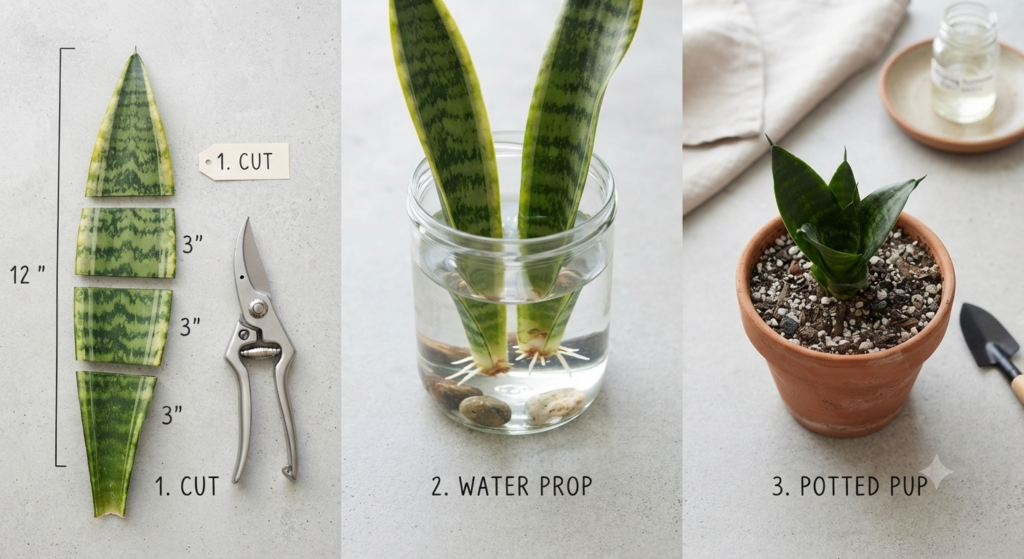
One of the most satisfying elements of cultivating snake plants is how effortlessly you can propagate new specimens. When your container matures, you can easily separate baby offsets (“pups”) from the primary root structure to expand your collection or share with friends.
Method 1: Division (Best for Variegated Varieties)
- Slide the mature plant gently out of its container and brush away loose soil.
- Locate natural offset clusters attached by underground rhizomes.
- Use a sterilized blade to separate the pup, ensuring it retains its own root strands.
- Repot the division into fresh succulent mix and water lightly.
Method 2: Water Propagation
You can slice healthy leaves into sections and place them upright in a jar of clean water. Over several weeks, roots will emerge from the base, ready for soil planting. Note that variegated varieties propagated via leaf cuttings will lose their yellow borders and revert to solid green, making division the preferred method for preserving unique traits.
9. Troubleshooting Common Leaf Issues
When your snake plant experiences environmental stress, its foliage acts as an immediate visual indicator. Review these common diagnostic markers to keep your plants healthy:
- Yellow, Mushy Foliage: A classic warning sign of overwatering or blocked drainage. Inspect root structures immediately, cut away decayed sections, and repot in dry mix.
- Floppy or Weak Stems: Typically caused by insufficient lighting forcing weak growth or heavy, waterlogged soil base weight.
- Dry Brown Tips: Usually brought on by dry heating systems, inconsistent watering practices, or heavy salt accumulation from tap water. Letting tap water sit overnight before use helps mitigate mineral shock.
10. Conclusion
Cultivating and maintaining snake plants is an exceptionally rewarding pursuit that proves you do not need an advanced green thumb to achieve a flourishing indoor garden. By supplying a fast-draining succulent soil mix, balanced indirect illumination, and committing strictly to the “soak and dry” watering philosophy, your indoor plant setup will reward you with gorgeous, architectural greenery for years ahead!
Frequently Asked Questions
How often should I water my snake plant?
You should only water your snake plant when the soil has completely dried out all the way through, which usually takes about 2 to 4 weeks depending on your indoor climate. Always test the soil depth with your finger or a moisture meter before watering, and never let the pot sit in standing water to prevent root rot.
Can I propagate a snake plant in water?
Yes! You can easily propagate a snake plant by cutting a healthy leaf into sections (making sure to keep track of which way is up) or dividing established pups. Place the cuttings in a jar of clean water, keep them in bright, indirect light, and change the water every week or two until roots develop.
Why are the leaves on my snake plant turning yellow and mushy?
Yellow and mushy leaves are the classic sign of overwatering or poor drainage. Snake plants store water in their thick leaves and are extremely drought-tolerant; too much moisture suffocates the roots. To fix this, stop watering immediately, trim away any rotting sections, and ensure your plant is potted in a well-draining succulent mix with a pot that features drainage holes.
Comments (0)